Compounding / settling a cheque-bounce case
A cheque-bounce case is pending and both sides want to settle. How compounding under Section 147 works, at which stages it is allowed, what the settlement should say, and what an advocate does.
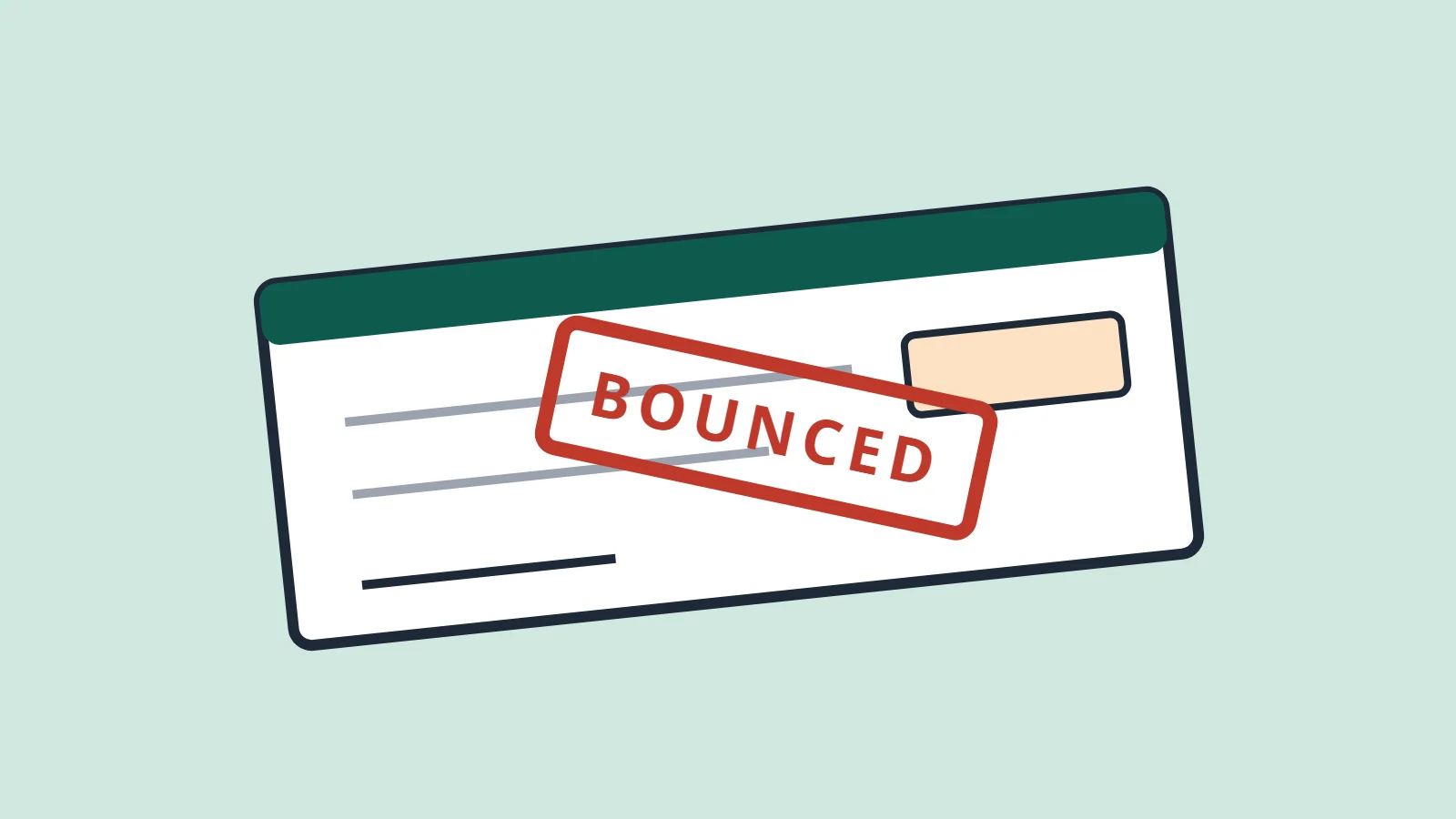
- ✓Section 147 of the Negotiable Instruments Act makes a cheque-bounce offence compoundable: the complainant and the accused can settle, and the court can close the case on that settlement.
- ✓It can be done at any stage — during the trial, after a conviction while an appeal is pending, or later. The later the stage, the more the court may ask for in costs.
- ✓Put the settlement in writing: the amount, how and when it is paid, and what happens if a payment is missed. It is filed in the pending case, and the court decides whether to accept it.
What this is
A cheque-bounce case is a criminal case under Section 138 of the Negotiable Instruments Act, 1881. It is brought by the person a bounced cheque was made out to — the complainant — against the person who signed it — the accused (or the drawer). Most of these cases are really about money: the complainant wants to be paid, and the accused wants the case to end.
Compounding is the law's way of letting them settle. Section 147 says that every offence under the Act is compoundable, which means the complainant and the accused can agree terms, tell the court, and the court can close the case on that basis.
Section 147 applies whatever the general code of criminal procedure says. The general compounding table, now in Section 359 of the Bharatiya Nagarik Suraksha Sanhita (BNSS), 2023, lists offences under the Bharatiya Nyaya Sanhita. Cheque bounce is not on that list; it is Section 147 itself that makes it compoundable.
When it applies
Compounding is for a case already filed in court. You can use it when:
- A Section 138 complaint is pending, at any stage — before the magistrate, in appeal, or in revision.
- Both sides agree on the terms. The complainant must consent; compounding cannot be forced on them.
- The terms are clear: the amount, the mode and dates of payment, and what happens if a payment is missed.
If no complaint has been filed yet, you do not need compounding. If the drawer pays the full cheque amount within 15 days of receiving the demand notice, no offence is committed at all. If you have just received a notice, see Got a cheque-bounce notice.
The steps and the timeline
1. Agree the terms. The two sides — usually through their advocates — agree on the amount to be paid, whether it is in one go or in instalments, and the dates. The amount is often the cheque amount, but it can be more or less: it is whatever both sides accept. Agree also how any interim compensation already paid under Section 143A (up to 20% of the cheque amount, ordered while the trial runs) or any deposit made in appeal under Section 148 is counted.
2. Write it down. The settlement is put in writing and signed by both sides. It names the case, the court and the case number, sets out the terms, and says that on full payment the complainant has no objection to the case being closed.
3. Apply in the pending case. An application to compound is filed in the court where the case is pending at that time — the magistrate's court during the trial, or the appeal or revision court after a conviction. It is signed by both sides, and both usually appear before the court to confirm the settlement.
4. Payment. If the amount is paid in full at once, often by demand draft handed over in court, the court can record the payment and close the case on the same day. If it is paid in instalments, the court may keep the case pending until the last instalment is paid, or record the settlement and close the case, depending on what the sides agree and the court accepts.
5. The court decides. The court checks that the settlement is genuine and voluntary, and accepts it. Courts have held that the court can impose costs when a case is compounded, and that these may be higher the later the case is compounded. The aim is to encourage settlement early.
6. The case closes. Once compounded, the case ends in the accused's favour. Courts have held that compounding has the effect of an acquittal.
How long it takes. If the sides have agreed and the money is ready, compounding can be completed in one or two hearings. Instalment settlements take as long as the instalments run.
Documents needed
- The case details: the court, the case number, and the next date of hearing.
- The settlement terms in writing, signed by both sides.
- Proof of payment: a demand draft, bank transfer record, or receipts for each instalment.
- Records of any interim compensation or appeal deposit already paid.
- Identity proof of both sides, who usually confirm the settlement before the court.
- If a company or firm is involved, a board resolution or authority letter showing who can sign for it.
What it costs
- The settlement amount is between the two sides. It is not a fee.
- Costs the court may impose for compounding. These vary with the court and the stage; your advocate will tell you what to expect.
- The advocate's fee. It depends on the city, the court and the stage of the case. The advocate quotes their own fee before you pay anything.
What the advocate does
- Checks the stage of the case and which court must be approached.
- Negotiates the terms with the other side's advocate.
- Drafts the settlement and the application to compound, so that the terms are clear and enforceable.
- Works out how interim compensation or appeal deposits are adjusted.
- Appears with you to have the settlement recorded, and makes sure the order closing the case is correct.
Compounding is filed in a case already pending in court, so the advocate on record should file it. An independent advocate from our panel can take it on. They review your case papers and quote their fee before you pay. eMunshi is a technology platform, not a law firm; the advocate you choose represents you.
The documents that come before it
A cheque-bounce case starts with a demand notice. If you are the payee and have not yet sent one, see Cheque bounced? What to do in the first 7 days. If you are the drawer and have just received one, a reply to the cheque-bounce notice puts your side on record for ₹999. If the case has already been filed, see Cheque-bounce complaint before the magistrate.
Mistakes that sink settlements
- Settling by word of mouth. If it is not written down, signed and filed, the case goes on.
- No clause for a missed instalment. Decide in advance what happens if a payment is late.
- Paying in cash without a receipt. Every payment must be provable.
- Forgetting the money already paid as interim compensation or as an appeal deposit.
- Waiting. The later the stage, the more the court may ask for in costs, and the longer the case hangs over both sides.
Want to know whether settlement makes sense in your case? A 30-minute call with an independent advocate starts at ₹999.
Questions people ask
What does compounding mean?
Compounding means the person who was wronged agrees to settle with the accused, and the court closes the criminal case on the basis of that settlement. For cheque bounce, Section 147 of the Negotiable Instruments Act makes every offence under the Act compoundable.
Can a cheque-bounce case be compounded after conviction?
Yes. Section 147 sets no stage limit, and courts have held that the case can be compounded during the trial, in appeal and in revision after a conviction. The application then goes to the court where the case is pending at that time.
Does the complainant have to agree?
Yes. Compounding is a settlement, so it needs the complainant's agreement. If the complainant will not settle, the case continues; the accused can still pay, and the court can take that into account.
Will the court charge costs for compounding?
It can. Courts have held that the court may impose costs when a case is compounded, and that the costs may be higher the later the stage. Your advocate will tell you what to expect in your court and at your stage.
What happens to the interim compensation already paid?
Interim compensation paid under Section 143A, and any deposit made in appeal under Section 148, is usually counted in the settlement. Say in the settlement exactly how it is adjusted, so there is no argument later.
What if the other side stops paying the instalments?
That depends on how the settlement was recorded. If the case was kept pending until the last instalment, the complainant can ask the court to proceed. If it was closed, other steps may be needed. Agree on this in writing before signing, and let your advocate word it.
Is the accused acquitted after compounding?
When an offence is compounded, the case ends in the accused's favour. Courts have held that compounding a cheque-bounce case has the effect of an acquittal. Ask your advocate how it will be recorded in your case.
We settled before any complaint was filed. Do we need compounding?
No. If the full cheque amount is paid within 15 days of the drawer receiving the notice, there is no offence at all. If it is paid later but before any complaint, the payee can simply choose not to file. Compounding is for a case already in court.
 Cheque-bounce complaint before the magistrate (s.138)Court matter
 Got a cheque-bounce notice — how to reply, and what happens if you don'tGuide
 Cheque bounced? What to do in the first 7 daysGuide
 Cheque-bounce demand notice — ₹999DocumentReply to cheque-bounce notice — ₹999Document
Updated 27 October 2026 · Awaiting review by a panel advocate · General information, not legal advice for your specific matter.