Got a cheque-bounce notice — how to reply, and what happens if you don't
You received a Section 138 notice for a cheque you gave. What the 15 days mean, when to pay, how to reply if you dispute it, and what happens if a complaint is filed against you.
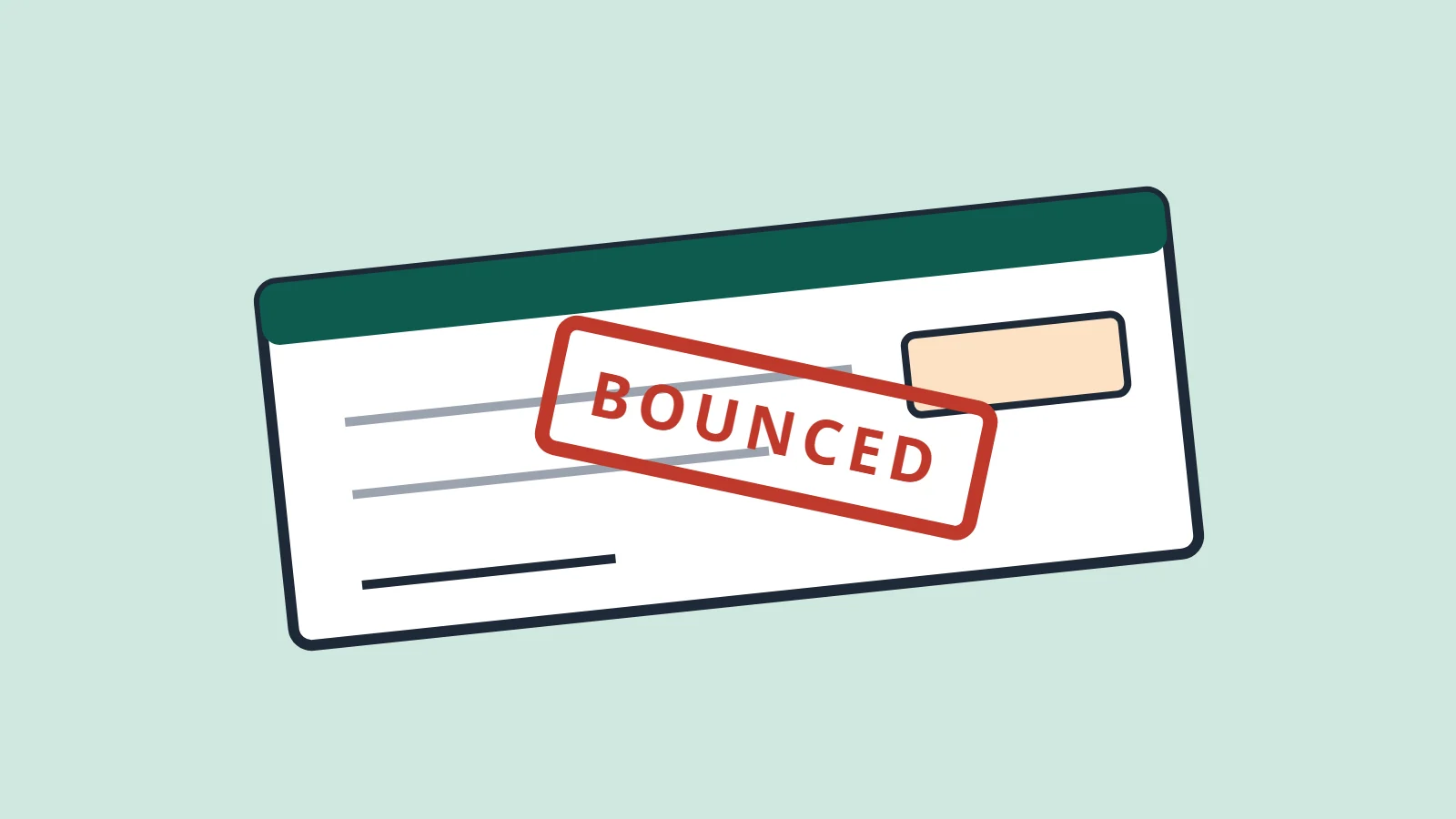
- ✓The notice gives you 15 days from the day you received it to pay the cheque amount. If you pay the full amount in that time, there is no offence and the matter ends.
- ✓If you do not owe the money, or the notice is wrong, a written reply sent within the same 15 days puts your side on record before any complaint is filed. No law forces you to reply, but silence helps only the other side.
- ✓If you neither pay nor settle, the sender can file a criminal complaint within a month after the 15 days end. Then you will be summoned, and you need an advocate.
What has probably happened
You gave someone a cheque — for a loan, rent, goods, a business deal, or as security — and it came back from your bank unpaid. Now a letter has arrived, from that person or from their advocate, demanding the money. That letter is a demand notice under Section 138 of the Negotiable Instruments Act, 1881.
In the language of the law, you are the drawer (the person who signed the cheque), and the person who sent the notice is the payee (the person it was made out to).
Section 138 makes it an offence when a cheque given for a debt or other liability bounces for lack of funds, and the drawer then fails to pay within 15 days of receiving a written demand. So the notice is the last step before the offence is complete. What you do in the next 15 days decides what happens next.
The penalty the court can impose is imprisonment of up to two years, a fine of up to twice the cheque amount, or both. That is why the notice should not be put in a drawer and forgotten.
What to do, step by step
Day 0 — the day the notice reaches you. Write down the date you received it. Keep the envelope, with its postal marks. Every deadline counts from this day, not from the date printed on the notice.
Days 1 to 3 — check the facts. Read the notice against your own records:
- Is it your cheque? Check the number, date, amount and bank.
- What was it given for? A loan, a purchase, a deposit, security for a future payment?
- Did you actually owe that amount when the cheque was presented? Or had you already paid some or all of it?
- Are the dates right? The cheque should have been presented within its validity (in practice, three months from its date), and the notice sent within 30 days of the payee learning it bounced.
Days 3 to 10 — decide which way you are going. There are only three real choices.
- You owe the money and can pay. Pay the full cheque amount within the 15 days, by bank transfer or demand draft, so there is a record. Ask for a written receipt. Paying in time means no offence is committed and no case can be brought on that cheque.
- You owe some or all of it but cannot pay in full now. Talk to the payee before the 15 days end. Put any agreement — the amount, the instalments, the dates — in writing, signed by both of you. A reply can record what you are offering.
- You do not owe the money, or not that amount. Send a written reply that sets out your side clearly and politely.
Before day 15 — send the reply, if you are replying. Send it by registered post or speed post with acknowledgement due, to the address on the notice, and to the advocate who sent it if there is one. Keep the postal receipt and tracking record.
After day 15 — watch for a summons. If you have not paid and the payee is not satisfied, they have one month after your 15 days end to file a complaint before a magistrate (Section 142). If the court takes up the complaint, it will send you a summons — an order to appear. That is the point at which you need an advocate on record. See Cheque-bounce complaint before the magistrate for how the case runs.
What a reply should do
A reply is not a place to argue the whole case. It should do three things.
- State the facts as they are. What the cheque was given for, what was paid, and when.
- Raise your defences. For example: no debt was owed when the cheque was presented; the debt was already paid; the amount demanded is wrong; the cheque was given as security for something that never fell due; the notice was sent after the 30 days.
- Ask for the demand to be withdrawn, or say what you are prepared to do.
Do not admit what is not true, and do not deny what is. The reply will be in front of the court if a case is filed, and anything false in it will hurt you.
For the format, and the defences that hold up, see Reply to a cheque-bounce notice: format and the defences that work.
What the law presumes — and what it does not let you say
The law starts against you. Once the cheque and your signature are proved, the court presumes that it was given for a debt or liability (Section 139). It is for you to show otherwise, with papers and facts.
Some things are not a defence. Under Section 140, you cannot say you had no reason to think the cheque would bounce. "I thought the money would be there" does not help.
If the cheque was signed for a company or firm, the people in charge of its business at the time can be named too (Section 141). A person can escape liability if they prove the offence happened without their knowledge or that they took all due care to prevent it.
If a complaint is filed against you
- You will be summoned to appear before a Metropolitan Magistrate or a Judicial Magistrate of the first class.
- If you plead not guilty, the court can order you to pay the complainant interim compensation of up to 20% of the cheque amount while the case goes on (Section 143A). If you are acquitted, it is repaid with interest.
- The case can be settled at any stage (Section 147). See Compounding a cheque-bounce case.
Timeline and costs
| When | What | Cost |
|---|---|---|
| Day 0 | Notice received — note the date | — |
| Within 15 days | Pay the cheque amount, or send your reply | Reply with eMunshi: ₹999, all-inclusive — drafted from your answers, checked and sealed by a panel advocate, sent by registered post |
| The month after | The payee may file a complaint | — |
| If summoned | Defend the case | The advocate's fee, which they quote before you pay |
Documents to keep handy
- The notice and its envelope, showing the date it reached you.
- Your bank statement showing the cheque and its return.
- Whatever shows what the cheque was for: an agreement, invoices, messages.
- Proof of any payment you made: bank transfers, receipts, UPI records.
- A copy of your reply, the postal receipt and the tracking record.
Mistakes that sink people
- Ignoring the notice. Silence does not make it go away, and it leaves the payee's version as the only one on record.
- Paying in cash without a receipt. If you pay, pay so it can be proved.
- Missing the 15 days while "talking it over". Talk, but act inside the window.
- Writing an angry or untrue reply. It becomes evidence.
- Not appearing when summoned. That turns a summons into a warrant.
Not sure which way to go? A 30-minute call with an independent advocate from our panel starts at ₹999.
Questions people ask
How many days do I have after receiving a cheque-bounce notice?
15 days from the day the notice reached you, to pay the cheque amount (Section 138 of the Negotiable Instruments Act). Note the date of delivery on the envelope or the tracking record. Send any reply within the same 15 days.
Is it compulsory to reply to the notice?
No law says you must reply. But if a complaint is filed, the court will see the notice, and a reply sent in time is the first record of your side of the story. A short, accurate reply is almost always better than silence when you dispute the claim.
Will I be arrested if I don't pay?
The notice itself does not lead to arrest. If you do not pay, the sender can file a complaint before a magistrate, who can then summon you to appear. A cheque-bounce case starts on a complaint to the court, not with the police. Appear when summoned; ignoring a summons is what leads to warrants.
I gave the cheque only as security. Is that a defence?
It can be, depending on the facts. Courts have held that a security cheque can still lead to a Section 138 case if the debt it secured was actually due when the cheque was presented. If nothing was owed at that time, say so in your reply with the facts and papers that show it.
I already paid part of the money. What do I do?
Say so in your reply, with the dates and the proof, such as bank transfers or receipts. The demand should reflect what is actually still owed; a panel advocate can tell you how part-payment affects the case.
Can I still settle after a complaint is filed?
Yes. Section 147 makes the offence compoundable, which means the two sides can settle and the court can close the case at any stage. See the guide on compounding a cheque-bounce case.
The notice reached me late, or at an old address. Does that matter?
The 15 days run from the day you actually received it. Note that date and keep the envelope. If you refused it or did not collect it from the post office, courts generally treat it as served, so do not rely on avoiding it.
Reply to a cheque-bounce notice: format and the defences that workFormat Cheque bounced? What to do in the first 7 daysGuide
 Compounding / settling a cheque-bounce caseCourt matter
 Cheque-bounce complaint before the magistrate (s.138)Court matterCheque-bounce complaint (Section 138)Get an advocateReply to cheque-bounce notice — ₹999Document
Updated 27 October 2026 · Awaiting review by a panel advocate · General information, not legal advice for your specific matter.