Cheque bounced? What to do in the first 7 days
Your cheque came back unpaid. The 30-day notice deadline, what the bank's return memo must say, how to send the notice so it holds up in court, and what happens after the 15 days.
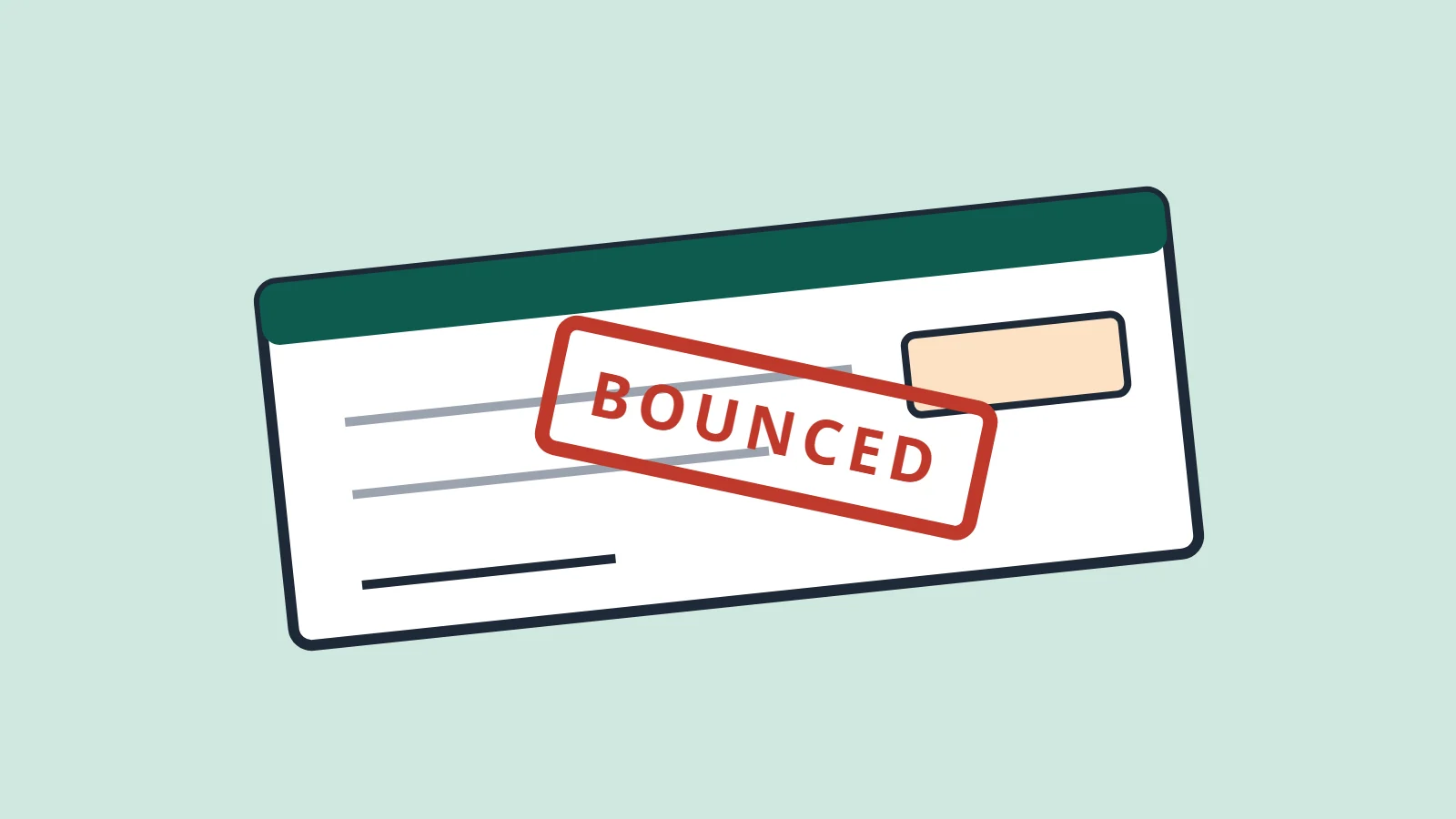
- ✓You have 30 days from the day the bank tells you the cheque bounced to send a written demand notice to the person who signed it. Miss that, and the criminal case under Section 138 is usually gone.
- ✓The notice gives them 15 days to pay. If they don't, you have one month after those 15 days to file a complaint before a magistrate.
- ✓Keep the cheque, the bank's return memo and proof of how you sent the notice. Those three papers carry the whole case.
What has probably happened
You were given a cheque — for a loan you made, rent, the price of goods, a salary or a settlement — and when you deposited it, your bank returned it unpaid. With the cheque, the bank gives you a return memo: a slip that says why it was not paid, such as "funds insufficient" or "exceeds arrangement".
The law has a name for this. Under Section 138 of the Negotiable Instruments Act, 1881, it is an offence to give a cheque for a debt or liability and have it returned because there is not enough money in the account. The person who signed the cheque is called the drawer; you, the person it was made out to, are the payee.
The offence is only complete when three things have happened, in this order. These are the steps below, and each has a deadline.
- The cheque was presented to the bank while it was still valid.
- You sent the drawer a written demand for the money within 30 days of learning it bounced.
- The drawer did not pay within 15 days of receiving that demand.
The penalty the court can impose is imprisonment of up to two years, a fine of up to twice the amount of the cheque, or both. That is what makes the notice work: most people pay once they receive one.
What to do, step by step
Day 0 — the day you learn it bounced. Write down the date you received the return memo or the bank's message. Every deadline counts from here. Keep the original cheque and the memo safe; do not write on them or hand over the originals to anyone.
Days 1 to 7 — check three things.
- Was the cheque presented in time? Section 138 applies only if the cheque was presented within six months of its date, or within its period of validity if that is shorter. Banks treat a cheque as valid for three months from the date written on it, so in practice the limit is three months.
- Was it for a debt or a liability? The section covers a cheque given to pay what is legally owed. A cheque given as a gift is not covered.
- Do you have the drawer's correct address? The notice must reach them. Use the address you know they live or work at, and add any other address you have.
By day 30 at the latest — send the demand notice. The notice must be in writing and must demand payment of the cheque amount. Say what the cheque was for, its number, date, amount and bank, the date it was returned and the reason on the memo, and that the drawer has 15 days from receiving the notice to pay. Send it by registered post or speed post with acknowledgement due, and keep the postal receipt and the tracking printout.
15 days after they receive it — the drawer's window. Count 15 days from the day the drawer received the notice (the delivery date on the tracking record). If they pay the full cheque amount in that time, the matter ends there.
The month after that — the complaint. If they have not paid, the offence is complete. Under Section 142, you then have one month to file a complaint before a Metropolitan Magistrate or a Judicial Magistrate of the first class. The case is heard by the court where your bank branch — the one where you deposited the cheque — is situated. A late complaint can be accepted only if you show the court a sufficient reason for the delay, so do not count on it.
Filing and running the complaint is court work. An independent advocate from our panel can take it on; they quote their fee before you pay anything.
What happens after you file
Once the magistrate takes the complaint, the drawer is summoned. The law starts by presuming that the cheque was given for a debt or liability (Section 139); it is for the drawer to show otherwise. If the drawer pleads not guilty, the court can order them to pay you interim compensation of up to 20% of the cheque amount while the case goes on (Section 143A). The case can be settled at any stage (Section 147).
Timeline and costs
| When | What | Who pays |
|---|---|---|
| Day 0 | Cheque returned, memo received | — |
| Within 30 days | Demand notice sent | You: ₹999 with eMunshi, all-inclusive — drafted, checked and sealed by a panel advocate, sent by registered post |
| Notice + 15 days | Drawer's time to pay | — |
| The month after | Complaint before the magistrate | Court fee (set by your state) and the advocate's fee, which they quote first |
Documents to keep handy
- The original cheque.
- The bank's return memo, and the account statement showing the cheque returned.
- Whatever shows what the cheque was for: an agreement, invoices, messages, a loan record, bank transfers.
- The notice you sent, the postal receipt and the tracking printout or acknowledgement card.
- The drawer's addresses, and any reply they send.
Mistakes that sink people
- Waiting past day 30. People wait for the drawer to "sort it out". Talk all you like, but send the notice inside the 30 days.
- Sending the notice to the wrong address, or by ordinary post with no proof of sending.
- Getting the amount wrong. The notice must demand the cheque amount. Interest or other dues can be claimed separately; keep the demand clear.
- Filing the complaint too early (before the 15 days have run out) or too late (more than a month after).
- Giving away the originals. The court will want to see the original cheque and memo.
When this is not a Section 138 case
If more than 30 days have passed since the cheque bounced and the cheque can no longer be presented again, the criminal route is usually closed. You may still be able to recover the money in a civil suit. An advocate can tell you what is left; a 30-minute call starts at ₹999.
Questions people ask
How many days do I have to send the cheque-bounce notice?
30 days from the day you receive information from your bank that the cheque was returned unpaid — usually the date on the return memo. Section 138 of the Negotiable Instruments Act sets this limit.
The memo says 'payment stopped by drawer', not 'insufficient funds'. Can I still use Section 138?
Section 138 speaks of a cheque returned because the money in the account is not enough or exceeds the arrangement with the bank. Courts have held that other reasons, such as 'payment stopped by drawer' or 'account closed', can also be covered. Send the notice within the same 30 days either way; an advocate can tell you how the reason on your memo is treated.
Can I send the notice by WhatsApp or email?
The law asks for a notice in writing. Send it by registered post or speed post with acknowledgement due to the drawer's address, and keep the receipt and the tracking record. Sending a copy by email or WhatsApp as well does no harm, but do not rely on it alone.
What if the person refuses to accept the notice?
A notice sent by registered post to the correct address and refused, or returned unclaimed, is generally treated as served. Keep the returned envelope unopened — it is evidence.
Can I present the cheque again?
Yes, while the cheque is still valid. Each time it is returned unpaid, a fresh 30-day period to send a notice begins. But do not use re-presenting as a reason to let your first 30 days run out without a plan.
What if they pay after the notice?
If the full amount of the cheque is paid within 15 days of them receiving the notice, there is no offence and the matter ends. Ask for payment by bank transfer so there is a record.
Can the case be settled later?
Yes. Section 147 makes the offence compoundable, which means it can be settled between the parties, even after the case is filed.
 Cheque-bounce demand notice: format, what it must say, how to send itFormatCheque-bounce deadline calculatorTool
 Cheque-bounce complaint (Section 138)Get an advocateCheque-bounce demand notice — ₹999Document
 Reply to cheque-bounce notice — ₹999Document
Updated 26 October 2026 · Awaiting review by a panel advocate · General information, not legal advice for your specific matter.