Cheque-bounce deadline calculator
Enter the date of the bank's return memo and the date the drawer received your notice. See your last day to send the notice, the end of the drawer's 15 days, and your last day to file.
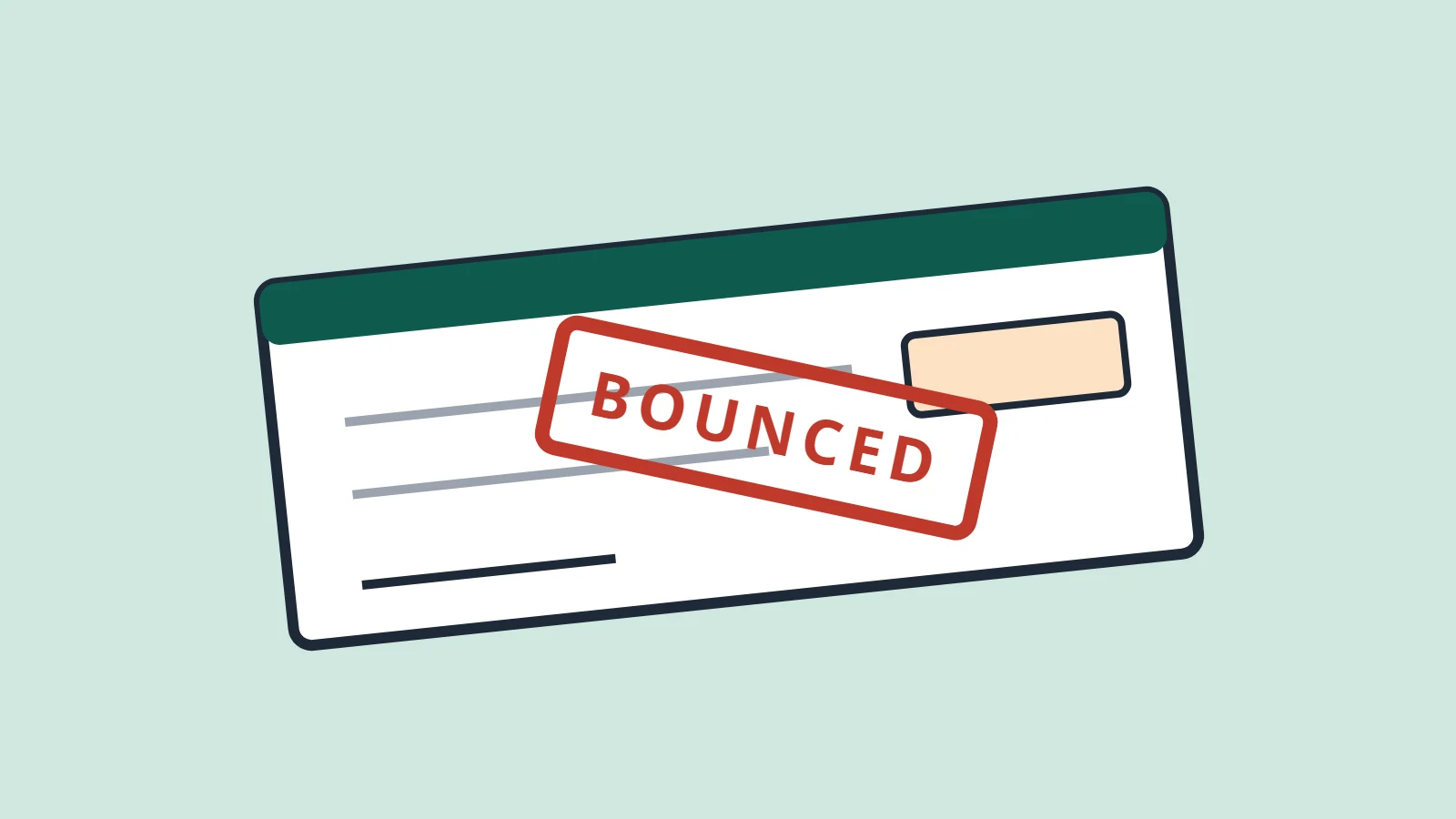
- ✓Date 1: send the demand notice within 30 days of receiving the bank's information that the cheque bounced (Section 138).
- ✓Date 2: the drawer has 15 days from receiving your notice to pay the cheque amount (Section 138).
- ✓Date 3: if they do not pay, file the complaint within one month after those 15 days (Section 142).
The three dates, and where they come from
A cheque-bounce case under Section 138 of the Negotiable Instruments Act, 1881 runs on three deadlines in a row. Miss one, and the criminal case can fail.
1. Last day to send the demand notice — memo date + 30 days. Section 138 says you, the payee (the person the cheque was made out to), must send the drawer (the person who signed it) a written demand for the cheque amount within 30 days of receiving information from the bank that the cheque was returned unpaid. The calculator does not count the day you received the memo; it counts 30 days after it.
2. End of the drawer's 15 days — delivery date + 15 days. The drawer has 15 days from receiving your notice to pay the cheque amount. The clock starts on the delivery date on the postal tracking record, not the day you posted it. If they pay in full in that time, the matter ends.
3. Last day to file the complaint — about one month after that. If the drawer does not pay, the offence is complete when the 15 days run out. Section 142 then gives you one month to file a written complaint before a Metropolitan Magistrate or a Judicial Magistrate of the first class. A month here is a calendar month (Section 3, General Clauses Act, 1897), so count it by the calendar, not as a fixed 30 days.
How to count safely
- Count strictly. Treat the dates the calculator shows as the latest possible, not the target. Whether a first or last day is counted can be argued; do not leave yourself in a position where it matters.
- Leave margin for the post. Send the notice well before day 30, so there is no argument about whether it was given in time. You will need its delivery date for everything after.
- Do not file early. A complaint filed before the drawer's 15 days are over is premature.
- A late complaint is not automatic. Section 142 lets the court accept a complaint after the month only if you show sufficient cause for the delay. Do not plan on it.
What to do on each date
Now, if the notice has not gone: gather the cheque, the memo and proof of the debt, and send the notice by registered post or speed post with acknowledgement due. See the notice format and a sample.
When the notice is delivered: note the delivery date from the tracking record and enter it above. Keep the receipt, the tracking printout and the acknowledgement card.
When the 15 days end: if you have been paid in full, by a traceable method, you are done. If not, contact an advocate the same week — the month for the complaint has started. See Cheque-bounce complaint before the magistrate.
For the full first-week plan, read Cheque bounced? What to do in the first 7 days.
Questions people ask
Which date do I enter as the memo date?
The day you received the bank's information that the cheque was returned unpaid. For most people that is the date on the return memo, or the day the bank's message reached you. If the two differ, enter the earlier one.
What if the drawer refused the notice or it came back unclaimed?
A notice sent by registered post to the correct address and refused, or returned unclaimed, is generally treated as served. Which date then counts as receipt depends on the facts; ask an advocate, and plan from the earliest possible date.
What if the last day is a Sunday or court holiday?
Do not rely on the next working day. Send the notice, or file the complaint, before the date shown.
I re-presented the cheque. Which memo do I use?
Each time the cheque is returned unpaid, a fresh 30-day period to send a notice begins. Enter the date of the latest memo, and act on it.
The 30 days have passed. Is it over?
The criminal route under Section 138 is usually closed for that return. You may still be able to recover the money in a civil suit. An advocate can tell you what is left.
 Cheque bounced? What to do in the first 7 daysGuideCheque-bounce demand notice: format, what it must say, how to send itFormat
 Cheque-bounce complaint (Section 138)Get an advocateCheque-bounce demand notice — ₹999Document
 Reply to cheque-bounce notice — ₹999Document
Updated 26 October 2026 · Awaiting review by a panel advocate · General information, not legal advice for your specific matter.